Most productivity systems work like coffee. They squeeze the most out of you today and leave you exhausted tomorrow.
The best you can hope for is doing more work before running out of energy again.
But there is one approach that actually helps you achieve more over time without stressing out every day.
Focus on what's important
The approach is described in "The 7 Habits of Highly Effective People" by Stephen R. Covey, which we highly recommend reading.
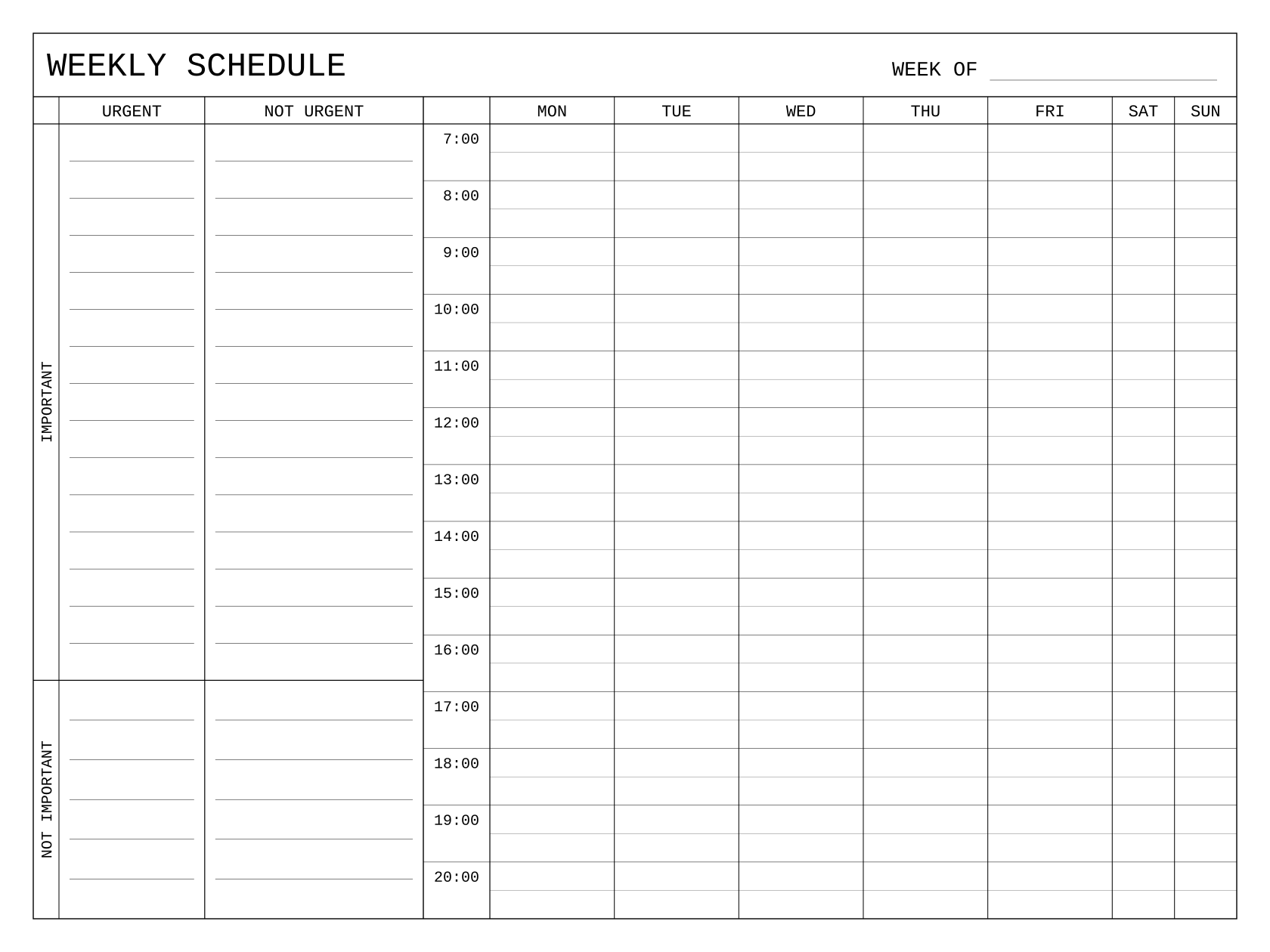
The first step is to sort your tasks into four "quadrants":
Many people think that the goal is to focus on Q1, but it's not. Focusing on Q1 feels like bailing water out of a sinking boat with no time to plug the hole.
Instead, Covey argues that we should concentrate our effort on Q2. Important but not urgent actions are usually the ones that help anticipate the problems before they become urgent. However, they often get postponed.
Examples of tasks from Q2 include:
- Learning a new approach instead of routinely applying the old one.
- Establishing genuine relationships with people.
- Finding time to refresh and to set your goals instead of living in a whirlwind.
But how do we find time for important tasks when overwhelmed by the urgent ones?
Plan weeks instead of days
According to Parkinson's Law:
Work expands so as to fill the time available for its completion
The idea is to reserve time for what's important. Q2 tasks should be planned first, with Q1 and Q3 filling the rest.
That's where weekly planning shines. If you're making a TODO list, chances are there will already be enough urgent tasks to fill the day. But when planning for a week, it's always possible to reserve some time for what has been postponed so far. Even the busiest people can devote at least 10% of a week to something that's not just firefighting.
Another benefit of weekly planning is that some activities can be conducted only on certain days: meeting your cousins, attending a masterclass, or having a romantic dinner.
4 generations of time management
Covey describes the evolution of time management as four "generations," each building on the previous one.
-
TODO lists
You write down what you have to do to visualize it and free your mind. Plain lists, without priorities.
-
Calendars
Tasks get a scheduled time, so you can plan ahead and keep appointments with other people. The schedule tells you when something happens, but not whether it deserves the slot.
-
Priorities
You set goals, then rank each day's tasks by importance and work through them in order. This gets more done per hour. It usually fills every hour and leaves little room for people or for the unexpected.
-
Managing yourself instead of time
You identify your roles and relationships with other people. Then you set goals based on those roles, and schedule tasks for the week.
Snipbook is not affiliated with, endorsed by, or sponsored by Franklin Covey Co. or the Stephen R. Covey estate. "The 7 Habits of Highly Effective People" is a registered trademark of Franklin Covey Co., used here only to refer to the book.
Planner templates
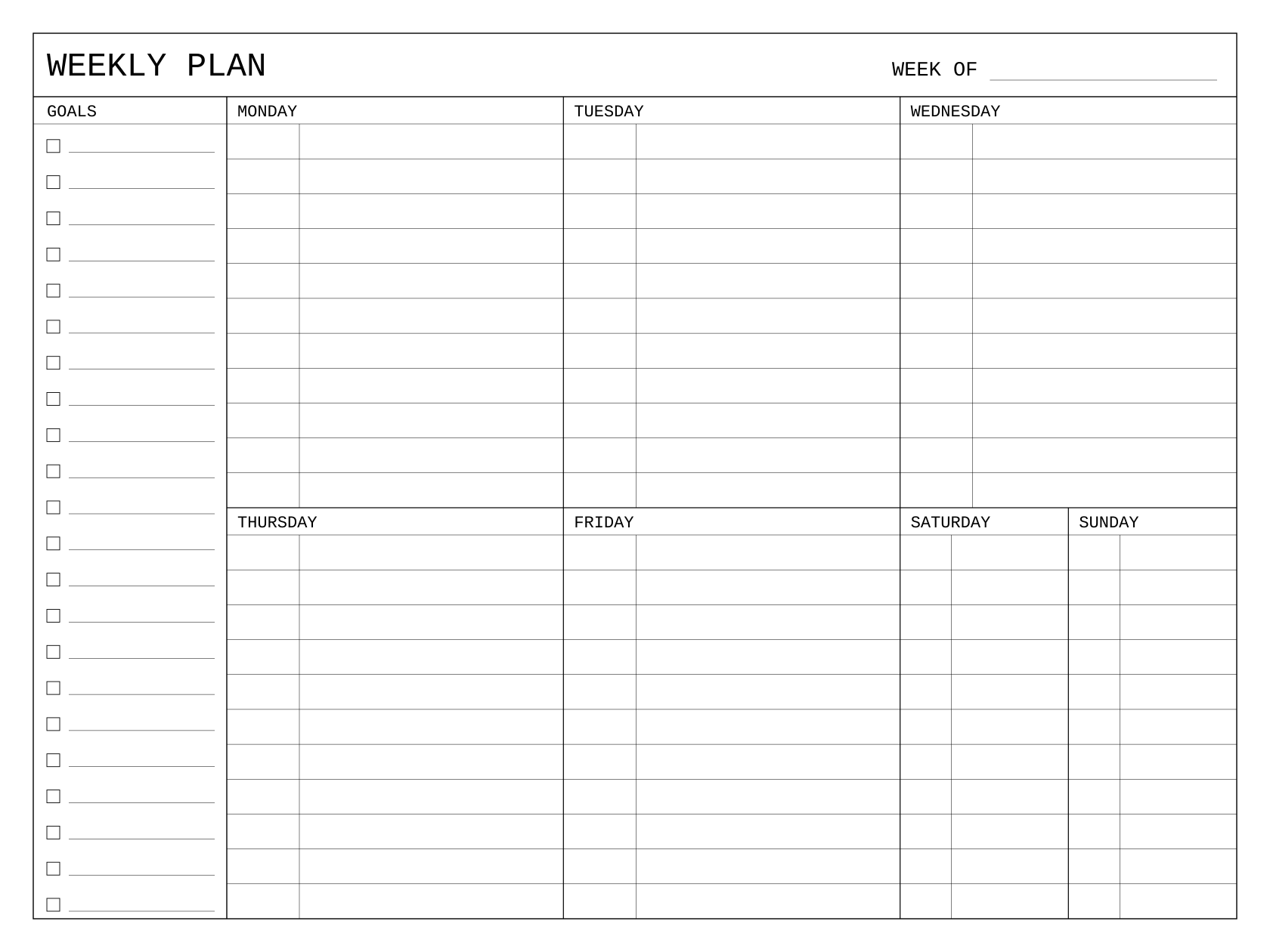
If you want to try 4th-generation planning, you can start with our digital planner templates.
Browse our other templates.
The app to guide you
Snipbook is a diary app where you can download templates like the above and use them offline, with no distractions.
Try it for free! →